Healthcare Designers Limited

Accessible and Inclusive Healthcare Facilities: Design Strategies for Disability-Friendly Spaces

Designing Accessible and Inclusive Healthcare Facilities for People with Disabilities In a world striving for inclusivity and equal opportunities, healthcare facilities, the backbone of any society, must embrace the values of accessibility and non-discrimination. At Healthcare Designers Limited (HDL), we recognize the significance of creating healthcare spaces that are accessible, inclusive, and welcoming to all, […]

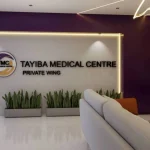
panafric reception2

Designing Accessible and Inclusive Healthcare Facilities for People with Disabilities

In a world striving for inclusivity and equal opportunities, healthcare facilities, the backbone of any society, must embrace the values of accessibility and non-discrimination. At Healthcare Designers Limited (HDL), we recognize the significance of creating healthcare spaces that are accessible, inclusive, and welcoming to all, including individuals living with disabilities.

In this article, we explore key strategies and principles that architects and designers can implement to ensure that healthcare facilities are accommodating to everyone, regardless of their abilities.

Understanding the Scope of Disability

Before exploring strategies for designing accessible healthcare facilities, it’s crucial to understand the diverse spectrum of disability. Disabilities go beyond physical impairments and may include sensory, cognitive, or intellectual challenges.

Designing healthcare spaces must therefore acknowledge and accommodate this wide range of needs.

1. Universal Design

Universal design serves as the foundation of accessibility in healthcare facility design. It involves designing spaces and products that can be used by the widest range of people without requiring adaptations.

HDL actively promotes the use of universal design principles in all our projects. This ensures that patients of all abilities can move through and access healthcare environments comfortably.

2. Inclusive Planning

Inclusive planning complements universal design. When healthcare architects and designers collaborate with patients, disability advocates, and healthcare professionals, they gain valuable insights into the real needs of individuals with disabilities.

This process leads to more functional layouts, accessible signage, and better accommodations for mobility devices. Ultimately, this shows that healthcare facility development is deeply human-centered and idea-intensive, requiring early stakeholder involvement.

3. Sensory Considerations

Patients with visual or auditory impairments need spaces that cater to their sensory needs. Incorporating tactile flooring, Braille signage, auditory cues, and well-balanced lighting are crucial elements of sensory-friendly healthcare design.

These features support those with disabilities and also enhance the environment for all users.

4. Adequate Space and Clear Pathways

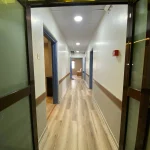
People with mobility impairments, such as those using wheelchairs or walkers, require generous spacing and clutter-free routes. Designers must include wide corridors, ramps, and automatic door openers to ensure barrier-free access.

These design choices are essential for enabling independence within healthcare facilities.

5. Equipped Restrooms

Restrooms are vital in any facility. Accessible washrooms must be fitted with grab bars, wide entryways, and supportive fixtures to assist users.

Equally important, they should be distributed throughout the facility for ease of access. Wheelchair-accessible washrooms are a key feature of inclusive healthcare design.

6. Training and Sensitization

Beyond structural changes, staff must be trained to support people with disabilities respectfully and knowledgeably. Training and sensitization ensure that personnel can assist patients with different needs effectively.

Cultivating a culture of empathy and inclusivity reinforces the architectural goals of the space.

7. Adherence to Legal Standards

Compliance with legal standards is essential. Designers should follow regulations concerning door widths, counter heights, accessible parking spaces, and other requirements.

These laws create a framework that supports equal access and helps maintain ADA-compliant healthcare facilities.

8. Continuous Feedback and Improvement

Design is an evolving process. At HDL, we advocate for ongoing consultation with patients, staff, and disability groups.

Continuous feedback allows facilities to improve accessibility features and remain up to date with current needs and best practices.

Conclusion

Designing accessible and inclusive healthcare facilities is both a moral and legal responsibility. HDL believes that applying universal design, inclusive planning, sensory considerations, clear pathways, accessible restrooms, staff training, legal compliance, and feedback systems can transform healthcare spaces into welcoming environments for all.

By incorporating these principles, designers play a vital role in promoting disability-inclusive healthcare and equal access for every member of the community.

At Healthcare Designers Limited (HDL), we are committed to leading the way in accessible healthcare facility design. Contact us today to learn how we can help you create inclusive spaces that reflect the principles of universal design. Together, we can build a healthcare future where no one is left behind.

👉 Follow us on Facebook for project updates and inspiration: facebook.com/healthcaredesigners
Leave a Reply

Your email address will not be published. Required fields are marked *